

Outdoor Lighting Installation in New Prague: Fall Guide

A professional outdoor lighting installation in New Prague gives you back your evening hours and keeps walkways safe as daylight disappears earlier each week. October is the sweet spot for this work. The ground is still soft, the dark evenings are just beginning, and you get to enjoy the results all winter. Wait until the snow flies, and you lose weeks of outdoor time you could have had.
Why October Is the Best Month for Outdoor Lighting
October is the best month because crews can still dig, trench, and set fixtures before the ground freezes solid. Daylight is also vanishing fast here in southern Minnesota. The earliest sunset of the year arrives on December 9, 2026, at 4:33 p.m., which means dinner, dog walks, and trips to the mailbox all happen in the dark for months.
Installing now also keeps your costs predictable. Frozen soil slows everything down, and that extra labor shows up on your estimate. Our team handles outdoor lighting installation while your yard is still workable, so the job stays simple. Since you are probably already booking fall exterior work, pairing lighting with gutter cleaning and repair means one visit instead of two.
Warm Light Is Replacing Harsh Floodlights
Warm, layered light has replaced the single harsh floodlight as the standard for home exteriors. A bulb in the 2700K to 3000K range gives you a soft, golden glow. A 5000K bulb, by contrast, reads blue and clinical, closer to a parking lot than a backyard.
This warmer approach does something a floodlight never could. Instead of washing everything out, it brings out the texture in tree bark, stone, and siding. Shadows and highlights work together, so your yard looks finished rather than just lit.
If curb appeal is your main goal, our guide to landscape lighting installation covers how placement affects the way your home looks from the street.
Lighting Techniques That Work Best Around Your Home
Most good systems combine two or three techniques rather than leaning on one fixture type. Here is how the common approaches compare.
| Technique | Where Fixtures Go | What You Get |
|---|---|---|
| Moonlighting | High in mature oaks or maples | Soft, dappled light across the lawn |
| Uplighting | Ground level, aimed upward | Dramatic texture on stone, trunks, and columns |
| Pathway accents | Low, along walks and steps | Safe footing with no glare in your eyes |
| Entry wash | Near the front door and porch | Better curb appeal and a welcoming entrance |
Mixing a couple of these gives you depth. Sticking to just one tends to look flat. For covered porches and soffits, you may also want to look at recessed lighting installation, since those fixtures sit flush and stay protected from snow and ice.
How Smart Controls Make Fall Evenings Easier
Smart controls let you schedule your lights to follow the sunset instead of forcing you to flip a switch. Today's low-voltage LED systems connect to a phone app or a voice assistant, so you can dim them for a quiet night, brighten them for guests, or change colors for a holiday.
That matters more here than it does in milder climates. Sunset shifts by well over an hour between early October and mid-December, so a fixed timer falls out of sync within weeks. A sunset-based schedule adjusts on its own.
Running costs stay low, too. According to the U.S. Department of Energy, residential LEDs use at least 75% less energy and last up to 25 times longer than incandescent lighting. If you like the idea of app control, our post on Govee Permanent Outdoor Lights Pro walks through what these systems can do.
What to Expect From a Local Installation
Here is how a typical project runs from first call to final walkthrough:
- Walkthrough. We look at your property, note which features deserve attention, and ask how you actually use the yard after dark.
- Layout plan. You see where each fixture will sit and why, before anyone digs.
- Wiring and placement. Low-voltage lines go in cleanly while the soil is soft.
- Programming. We set your schedule and show you how to adjust it from your phone.
- Cleanup. The yard goes back to the way we found it.
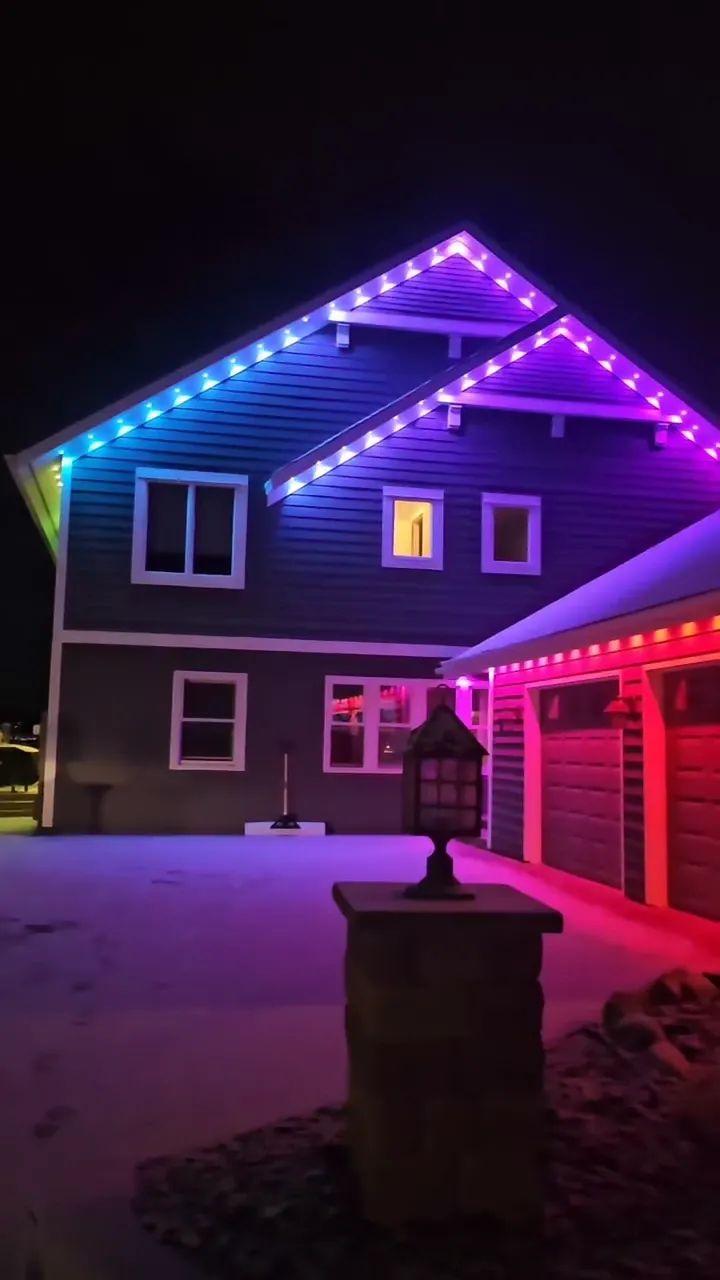
Local knowledge matters at every step. Tree canopy, soil conditions, and freeze-thaw cycles all affect where fixtures belong and how long they last. Fixtures rated for Minnesota winters cost a bit more up front, but cheaper components fail faster than most homeowners expect.
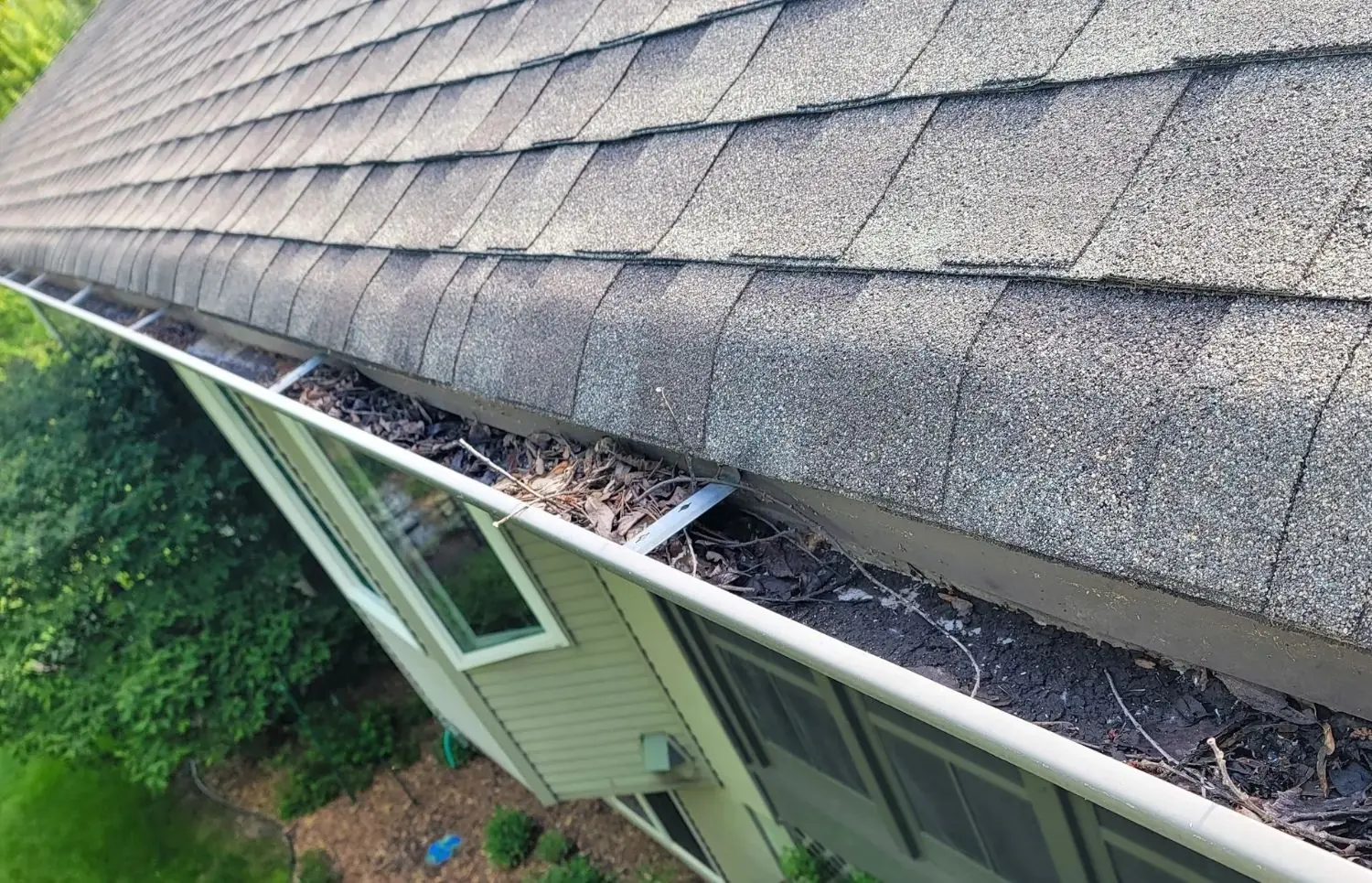
One more thing worth checking while crews are on site: your drainage. Ice dams and overflow can damage fixtures mounted near the roofline, which is why fall and spring gutter cleaning protects more than just your foundation.
FAQs About Outdoor Lighting Installation
Is fall really a good time to schedule outdoor lighting installation?
Yes. Wiring and fixture placement go in far more easily before the ground freezes, and you get to use the lighting through the darkest months of the year rather than waiting until spring.
Can I control my outdoor lights from my phone?
Most modern low-voltage LED systems support phone apps and voice assistants. You can set schedules, adjust brightness, and change color tones without going outside.
What is the difference between moonlighting and uplighting?
Moonlighting puts fixtures high in a tree so light filters down through the branches. Uplighting sits at ground level and shines upward onto a wall, trunk, or stone feature for stronger contrast.
Do warm-toned lights cost more to maintain?
No. Warm LED fixtures need about the same upkeep as cooler ones. The difference is color temperature and placement, not maintenance.
How long does an installation take?
Most residential projects wrap up in one to two days, depending on yard size and how many fixtures you choose.
Ready to Light Up Your Fall Evenings?
If shorter days have you thinking about your yard, now is the time to act. Call Gladiator Gutters at (952) 210-4014 for a free estimate on outdoor lighting installation in New Prague, MN. We will walk your property, talk through what fits your home and budget, and get your lights on before the first real freeze.
Share this article
Recent Posts